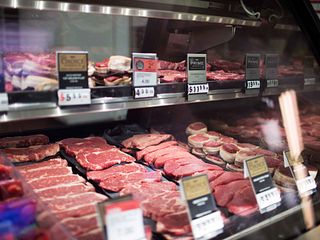
Retail
Read up on what’s happening with beef, including the latest retail trends and sales data.
beef is retail's mvp
Looking for ways to boost your bottom line? Start here to find no-nonsense information about what’s driving sales nationwide.

EXPLORING CONSUMER BEHAVIOR AND SUSTAINABILITY IN THE BEEF INDUSTRY: A DEEP DIVE
Delve into the intricate relationship between consumer behavior and sustainability within the beef industry. As environmental consciousness rises, consumers demand transparency and eco-friendly practices, reshaping the landscape of beef production and consumption.

webinar: BEEF SUSTAINABILITY, FROM PASTURE TO PURPOSE; CONSUMER INSIGHTS AND COMMUNICATION STRATEGIES
Watch this exclusive webinar, From Pasture to Purpose: Consumer Insights and Communication Strategies. Hear from industry experts who will unravel the complexities of beef sustainability. This is an opportunity to transform your approach to beef and amplify your messaging in a world increasingly focused on ethical and sustainable choices.
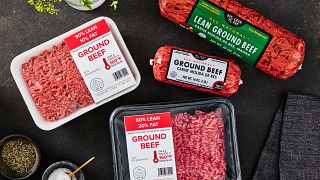
Ground Beef Performance: Sales Trends by Leanness, Form, and Label Claim
See the latest data on how ground beef is performing at retail along with fresh consumer insights.
.tif?keep=c&u=nvwl20 "FY24 Fall Refresh Holiday Kitchen Still Image")
BEEF CONSUMER INSIGHTS - FEBRUARY 2024
Learn about key beef consumer behavior trends heading into 2024.
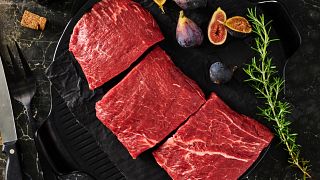
NATIONAL BEEF TENDERNESS SURVEY
Despite the challenges the beef industry has faced over the last 30 years, including drought, herd liquidation, fluctuating supply, and input costs, the quality of beef and tenderness has seen great improvements.

Beef Label Claims and Their Effects on Purchasing Behavior
Uncover the influence of label claims on consumer choices and purchasing behavior and learn how these insights can elevate your beef offerings.

looking ahead: The beef market in 2024
Gain a sneak peek into 2024 and check out this analysis and outlook for what to expect from the beef market heading into the new year. Uncover the latest trends, market dynamics, and key factors shaping the cattle industry from supply and demand to price considerations and much more.

THE VALUE OF BEEF IN THE SHOPPING CART
When asking consumers for reasons to head to the grocery store, a recent study released by Kagan Retail IQ, found nearly 40% of consumers are heading to the grocery store to stock up or fill-in for items needed to make meals at home, and nearly 25% are heading to the grocery store for same-day purchases, i.e., lunch, dinner, snacks, etc...
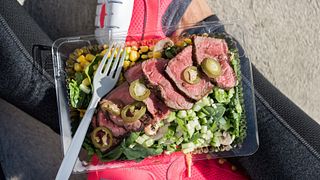
CAPITALIZING ON BEEF’S NUTRITION WITH CONSUMERS
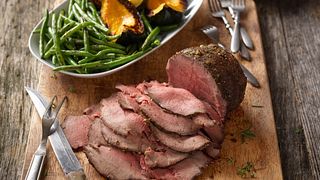
It's no surprise that improving one's diet is a common resolution people make every New Year's Eve. According to a recent Forbes survey, of the 1,000 people surveyed, 32% of respondents cited improving their diet as their top goal for 2024. Losing weight, improving mental health, and improving fitness also made the top five.¹ Overall, this clearly shows that most people want to live healthier lives going into 2024.
FAQ - BEEF NUTRITION
We all know beef tastes great – but did you know that beef can be good for you, too? Check out some answers to your most pressing questions when it comes to beef and your health.
Use these real-world resources to make more informed choices for your business.

wholesale prices - updated weekly
Get a unique top-line view of average reported wholesale prices on beef subprimal cuts. Charts are prepared using data from USDA Market News and the VMMEAT® System by Meat Solutions.

cut charts
Our beef cut posters are the most effective tools for learning about the various cuts of beef, where they come from on the carcass, and the recommended cooking method for each cut.
yield data
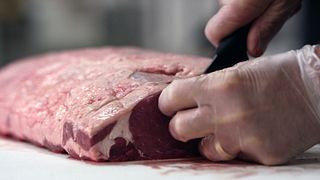
Review general guidelines for approximate yields when fabricating newer beef cuts from traditional subprimals, like those from the Chuck primal. Start here, then do your own testing to dial in exact numbers for your operation.

Resources for Retail Dietitians
Health and nutrition are top of mind for consumers and can be a barrier when deciding to purchase beef. With more dietitians working in retail grocery, there's an opportunity for meat departments and dietitians to work together to help consumers understand the meat case, the nutritional benefits of beef, enhance food safety and provide meal solutions.
Join the Beef NEws Now Mailing List
Stay connected to what's happening in retail, wholesale and more.
News You Can Use
Catch the latest on beef retail sales and insights for your business.
.tif?keep=c&u=nvwl20 "FY24 Fall Refresh Still Image")
Today's Beef Consumer Webinar - retail - october 2023
This insightful webinar offers a comprehensive exploration of the ever-evolving landscape of beef demand. Hear from industry experts as they dissect the most up-to-date research findings, providing invaluable insights into consumer preferences, emerging trends, and market dynamics.
EXPLORING CURRENT FLAVOR TRENDS IN BEEF DISHES
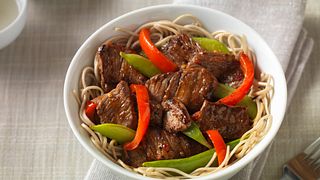
From innovative spice blends to creative marinades and unique ingredient combinations, let us embark on a culinary adventure as we delve into the current flavor trends that are revolutionizing beef dishes.

ENSURING BEEF SAFETY, FROM THE FARM TO YOUR FORK
Everyone plays an important role in beef safety – from the cattlemen and women who continually invest in and learn from beef safety research studies to the various government entities that are responsible for enacting and overseeing food safety regulations and inspections. And even you – the folks who select, purchase, and prepare beef...
LOVE BEEF TENDER: HOW AGING AFFECTS BEEF’S TENDERNESS
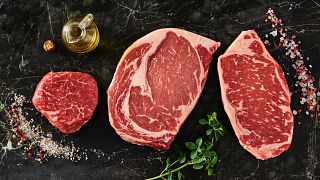
Tenderness is one of the biggest influencers of consumer approval of beef. Since most consumers can differentiate between tough and tender beef, improving tenderness is a high priority for the beef industry. One of the best methods to do this is by aging beef.